How to Identify Hidden Siding Damage After a Storm and When to Schedule Professional Repairs
When your home faces severe weather, siding damage isn’t always immediately visible to the untrained eye, yet hidden problems can lead to serious structural issues and costly repairs if left unchecked. You’ll need to look for subtle signs like warped panels, loose sections, or changes in your home’s energy efficiency, which often indicate underlying damage requiring professional attention. If you notice any concerning changes to your siding after a storm, scheduling an expert inspection with Aurora Roofing and Siding can help identify hidden problems before they escalate into major structural issues.
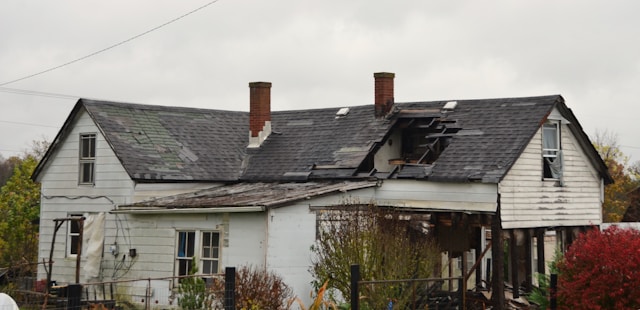
Visible and Invisible Signs of Siding Damage After a Storm
Weather events can assault your home’s siding in multiple ways, from high winds that loosen panels to hailstorms that create direct impact damage. You’ll find that severe storms don’t just affect your siding’s appearance but can compromise its essential functions of moisture protection and insulation. Even seemingly minor weather incidents can lead to cumulative damage that weakens your siding’s structural integrity over time.
How Weather Events Affect Siding Integrity and Performance
A severe storm can inflict significant damage to your home’s siding that isn’t immediately visible to the untrained eye. High winds can loosen panels, creating entry points for hidden moisture behind siding. Hail impacts weaken structural integrity, while extreme temperature fluctuations cause expansion and contraction that compromise seals. Left unaddressed, storm siding damage leads to water infiltration and deterioration of your home’s protective barrier.
Why Hidden Damage Poses Long-Term Risks
Ignoring seemingly minor siding damage can lead to severe structural problems as water seeps behind loose or cracked panels and gradually compromises your home’s framework. You’ll face increasing energy bills when hidden damage creates gaps that let conditioned air escape while allowing moisture to accumulate within your walls, potentially causing mold growth and insulation deterioration. What starts as a small, concealed crack or separation can quickly escalate into extensive repairs that affect your home’s integrity, value, and energy efficiency.
The Structural, Moisture, and Energy Consequences of Ignoring Minor Issues
Hidden siding damage can escalate into severe structural problems when left unchecked after a storm. During your post-storm home inspection, you’ll need to watch for early signs of moisture intrusion detection. Even small cracks or loose panels can let water seep behind your siding, leading to rotted wood, mold growth, increased energy bills, and compromised insulation. These issues will worsen rapidly without prompt attention.
Post-Storm Inspection Tips for Homeowners
When checking your home’s siding after a storm, you’ll want to look for subtle signs like buckling, warping, or pieces that seem loose or separated from the wall. You can spot potential problems by examining your siding at different angles throughout the day, as varying lighting conditions may reveal dents, cracks, or water stains that aren’t immediately obvious. If you notice any concerning changes or aren’t sure about the extent of the damage, it’s best to contact Aurora Roofing and Siding for a professional inspection, as their experts can identify issues that might escape an untrained eye.
What to Look for and When to Call in the Experts
Subtle signs of storm damage can lurk beneath your siding’s surface long after the weather clears. To protect your property’s integrity, watch for these critical indicators that it’s time to contact a storm damage inspection contractor:
- Warped or buckled panels, even if slight
- Water stains on interior walls near windows
- Loose or rattling siding during windy conditions
- Unexplained increases in energy bills
Don’t hesitate to schedule professional siding repair services when these warning signs appear.
Professional Repair Strategies for Damaged Siding
When you’ve identified storm damage to your siding, Aurora Roofing and Siding’s expert team will conduct a thorough assessment to reveal any hidden structural concerns. You’ll receive a detailed repair plan that addresses both visible damage and underlying issues that could compromise your home’s protection. Their professional restoration process includes reinforcing vulnerable areas, replacing damaged sections with weather-resistant materials, and ensuring proper installation to prevent future storm-related problems.
How Aurora Roofing and Siding Restores and Reinforces Exterior Walls
Professional storm damage restoration goes far beyond surface-level repairs. At Aurora Roofing and Siding, experts utilize thermal imaging siding inspection to detect hidden vulnerabilities and manage insurance claim siding repairs effectively.
- Complete elimination of compromised materials
- Installation of moisture-resistant barriers
- Strategic strengthening of structural weak points
- Application of advanced weatherproofing systems
You’ll regain control over your property’s integrity through their thorough restoration process.
Schedule a Storm Damage Assessment with Aurora Roofing and Siding
After a storm strikes your property, you’ll want to protect your investment by scheduling a thorough damage assessment with Aurora Roofing and Siding’s experienced team. Their experts will carefully inspect your siding for both visible and concealed storm damage that could compromise your home’s structural integrity. By addressing storm damage promptly through Aurora’s professional assessment and repair services, you’re safeguarding your property against potential water infiltration, energy loss, and costly future repairs.
Protect Your Home with Timely Repairs and Expert Service
Taking swift action after storm damage can prevent costly repairs and protect your home’s structural integrity. When you notice vinyl and fiber cement siding damage or hail and wind siding issues, don’t wait to take control.
- Contact Aurora Roofing and Siding immediately for expert assessment
- Document all visible damage with photos
- Schedule repairs before secondary damage occurs
- Maintain detailed records for insurance purposes