Roof Repair Near Aurora Illinois: How Storm Damage, Wind, and Hail Can Impact Even New Roofs
If you live in Aurora, Illinois, even a new roof can suffer from storm damage, wind, and hail. Strong winds can lift or tear shingles, exposing underlayment and leading to water infiltration. Hail can cause bruising, cracking, and granule loss, which compromise your roof’s integrity. Prompt inspections and repairs are critical to prevent minor issues from escalating into costly repairs. Understanding these risks can help you protect your investment and extend your roof’s lifespan. There’s more to explore on this topic.
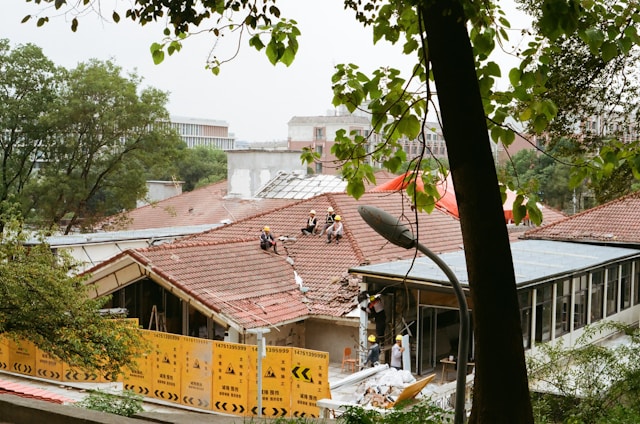
Introduction to roof repair needs in Aurora Illinois and the impact of severe weather conditions
As severe weather conditions frequently impact Aurora, Illinois, homeowners often find themselves confronted with urgent roof repair needs. Storm damage roofing Aurora IL typically involves issues caused by intense winds, hail, and heavy precipitation, which can compromise both newer and older roofing systems. It’s essential to schedule a roof inspection Aurora Illinois post-storm to identify potential damage early. Minor problems like lifted shingles or granule loss can escalate into major issues if left unattended. When water intrusion occurs, it can lead to roof leak repair Aurora, affecting structural integrity and leading to costly mold remediation. Proactive roof inspections help ensure you’re not caught off guard by hidden damage after severe weather events. Homeowners should prioritize timely maintenance by hiring qualified roofing contractors who utilize advanced tools to assess conditions, helping ensure your home remains safe and sound against the unpredictable Illinois climate.
Overview of how storms in Aurora IL commonly affect residential roofing systems
When severe storms strike Aurora, IL, they can greatly compromise the integrity of residential roofing systems. Hail, a common culprit, can cause significant damage by pitting, cracking, or loosening shingles, leading to costly water intrusion. You may think your newer roof is safe, but hail damage can remain hidden, necessitating immediate attention for effective hail damage roof repair in Aurora. Wind is another threat; gusts can tear shingles off or create lift, exposing your roof to additional vulnerabilities. If you experience missing or damaged shingles, seeking wind damage roof repair promptly is essential. The combination of these factors can result in severe storm damage, making it essential to act quickly. If you’re searching for storm damage roof repair near me, professional contractors can assess your roof, ensuring that minor issues don’t escalate into major, expensive repairs. Prioritize timely inspections to maintain your roof’s performance and longevity.
Explanation of wind damage and how strong gusts lift or remove shingles
Strong gusts of wind can severely undermine the integrity of your roof, particularly by lifting or removing shingles. When wind speeds exceed certain thresholds, they create uplift forces beneath the shingles. This pressure can cause the edges of the shingles to curl, allowing the wind to catch underneath and dislodge them entirely. Even new roofs aren’t immune, as improper installation can exacerbate the effects of wind damage.
In Aurora, IL, you may notice that these issues require immediate attention. If you experience shingle damage, contacting a local roofing contractor in Aurora, IL, is pivotal for timely assessment. They specialize in emergency roof repair, ensuring your home remains protected from further complications like water infiltration. Addressing wind damage promptly can save you from costly repairs down the road, making awareness of your roof’s condition essential during high winds.
How missing or lifted shingles expose underlayment and lead to water infiltration
Missing or lifted shingles create significant vulnerabilities in your roof by exposing the underlayment beneath. This underlayment serves as a critical barrier against water infiltration, but once it’s exposed, water from rain or melting snow can easily seep through, leading to leaks and potential structural damage. Without prompt Roof repair near Aurora Illinois, these leaks can accelerate deterioration, causing mold growth and compromised insulation.
When considering your roofing options, you might want to explore impact resistant shingles in Aurora, which are designed to withstand extreme weather. These shingles provide a more resilient defense against wind and debris, reducing the likelihood of lifting or missing shingles. Keeping your roof in good condition isn’t just about aesthetics; it’s essential for maintaining the integrity of your home and preventing costly repairs down the line. Regular inspections and timely repairs will protect your investment and ensure peace of mind.
Detailed look at hail damage including bruising, cracking, and granule loss on shingles
Hail damage can be particularly insidious, often going unnoticed until it leads to more severe issues. When hail strikes your shingles, it can create bruising, which appears as soft spots on the surface. This internal damage weakens the shingles, making them prone to leaks over time. Additionally, cracking may occur, ranging from small surface fractures to large breaks that can lead to significant water intrusion. The loss of granules is another critical aspect; granules protect shingles from UV rays and provide a seal against moisture. If you notice excessive granule loss in your gutters or on the ground, it’s a clear indicator of hail impact. These conditions can compromise your roof’s integrity, regardless of its age. Regular inspections by a qualified contractor can help identify these issues early, ensuring that your roof maintains its protective qualities against the elements.
Why hail damage is often hidden and can cause long-term roofing issues
Often, the subtlety of hail damage makes it challenging for homeowners to recognize its presence until significant issues arise. Hail impacts can manifest as granular loss, cracking, or bruising, often hidden beneath the surface. These effects compromise your shingles’ structural integrity, leading to water infiltration and slow deterioration. Since most damage occurs in the underlying layers, it may go unnoticed until leaks or mold develop.
Even new roofs aren’t immune, as improperly installed materials can exacerbate hidden flaws. Without a detailed inspection, damaged roofs can seem intact while actually suffering from reduced lifespan and performance. Detection often requires specialist equipment or techniques, making regular professional inspections essential, especially after severe storms. Addressing hail damage early can save you from costly repairs down the line. Make it a habit to assess your roof post-storm to ensure that any hidden issues are identified and resolved promptly.
Impact of heavy rain and ice dams on roofing systems and water intrusion risks
When heavy rain and ice dams form, your roof faces significant risks that can lead to water intrusion and damage. Ice dams occur when snow on your roof melts and refreezes at the edge, causing a barrier that traps melting water. This can lead to excessive pooling, compromising the roofing materials. Over time, heavy rain exacerbates the situation, forcing water under shingles and into seams.
Water intrusion can cause serious issues such as mold growth, structural weakening, and rotting wood. It’s essential to understand that even high-quality new roofs aren’t immune if proper drainage isn’t maintained. Regular inspections and maintenance, including clearing gutters and checking for signs of damming, help mitigate these risks. By addressing heavy rain and ice dam concerns proactively, you can safeguard your roofing investment and avoid costly repairs in the future.
Explanation of why even new roofs can suffer storm damage despite recent installation
Although new roofs are designed to withstand various weather conditions, they can still suffer storm damage due to factors such as improper installation, inadequate materials, or unforeseen severe weather events. Even a recently installed roof may have defective shingles or inferior underlayment that compromises its durability against elements like high winds or hail. You might think your new roof is invulnerable, but intense storms can produce wind gusts strong enough to displace roofing materials, especially if they weren’t securely fastened. Additionally, hail can create micro-cracks and damage that aren’t immediately visible, weakening the roof’s integrity over time. Additionally, unexpected severe weather, such as a sudden hailstorm or heavy rain following a warm spell, can lead to conditions that allow water infiltration, mold growth, and structural deterioration. As a result, regular inspections and swift repairs are essential in maintaining your roof’s performance and longevity against such threats.
Role of installation quality in determining how well a roof withstands severe weather
The quality of installation directly impacts a roof’s ability to endure severe weather conditions. When professionals install roofing systems, attention to detail is important. If nails aren’t placed correctly or materials aren’t aligned as per manufacturer specifications, vulnerabilities arise. For instance, improper sealing of shingles can lead to wind uplift; this allows moisture to seep in, causing materials to degrade.
Moreover, inadequate support structures may not withstand heavy snowfall or ice accumulation. It’s essential that your roofing contractor thoroughly inspects the underlying decking and flashing during installation, ensuring they’re in good condition.
Deficient installation not only compromises the roof’s lifespan but also can invalidate warranties. Choosing a licensed and experienced contractor ensures adherence to industry standards, greatly improving your roof’s resilience against severe storms. Investing in quality installation pays off in reduced repair costs and enhanced property protection in the long run.
Common roofing system components affected including shingles, flashing, and decking
A roof’s resilience against severe weather is heavily influenced by its individual components, including shingles, flashing, and decking. Shingles, the first line of defense, can face significant damage from hail, which causes granule loss and cracks, making them susceptible to leaks. Even wind can dislodge shingles, exposing underlying layers to moisture.
Flashing serves as a critical barrier around roof penetrations, such as vents and chimneys, protecting against water intrusion. If flashing becomes loose or damaged, it can lead to serious leaks, compromising the integrity of your home.
Decking, the structural layer underneath, can suffer from prolonged exposure to moisture due to compromised shingles and flashing. This can lead to rot and mold growth, creating extensive damage that’s costly to repair. Regular inspections will help identify vulnerabilities in these components, allowing you to address issues before they escalate and ensure your roof remains fully functional.
How damaged flashing around chimneys and vents leads to persistent leaks
When flashing around chimneys and vents is damaged, it creates a high risk for persistent leaks that can severely compromise your roof’s integrity. Flashing is designed to direct water away from these vulnerable areas, but any cracks, rust, or dislodgment can allow water to seep in. This intrusion doesn’t just create immediate leaks; it can lead to hidden mold growth and wood rot, which are costly to repair.
In heavy rain or storm conditions, the risk amplifies. Water can pool around improperly sealed flashing, exacerbating the problem. If you notice any rust stains or visible wear around your chimneys or vents, it’s essential to act quickly. Hiring a professional to inspect and re-seal or replace damaged flashing can save you from extensive roof repairs down the line. Don’t underestimate the importance of proper flashing in maintaining your roof’s overall health and safety.
Warning signs of roof damage such as water stains, missing shingles, and granules in gutters
Identifying warning signs of roof damage is essential for maintaining your home’s integrity. Look for water stains on ceilings or walls; these often indicate leaks that can lead to serious structural issues. Missing shingles are another red flag; if you notice any gaps, your roof’s protective layer is compromised, increasing the risk of further water intrusion. Additionally, check your gutters for granules; finding excessive granule loss can signify degradation of the roofing material, which diminishes your roof’s effectiveness against the elements. This loss often results from hail or storm damage, affecting even new roofs. Regular inspections can help catch these issues early, allowing for timely repairs that prevent more extensive and costly damage down the line. If you observe any of these warning signs, consulting a professional roofing contractor is key to address and mitigate potential problems before they escalate.
Less obvious signs including mold growth, attic moisture, and rising energy bills
While water stains and missing shingles are noticeable indicators of roof damage, less obvious signs like mold growth, attic moisture, and rising energy bills can also signal significant underlying issues. Mold thrives in damp, poorly ventilated areas, particularly in attics, where leaks can create moisture-rich environments. This not only poses health risks but also compromises structural integrity. Additionally, excessive moisture in the attic can lead to wood rot, further weakening your roof.
Rising energy bills may indicate that your roof’s insulation or ventilation is failing, causing heating or cooling systems to work harder to maintain desired temperatures. If you notice these less obvious signs, it’s important to act quickly. Addressing the root causes—like leaks or inadequate insulation—can save you from costly repairs. Don’t overlook these indicators; they could lead to more significant issues if left unaddressed. Take proactive measures to confirm your roof remains in good condition.
Importance of immediate roof inspection after storms to assess visible and hidden damage
Following a storm, the importance of conducting an prompt roof inspection cannot be overstated. Storms can wreak havoc on roofing systems, often causing both visible and hidden damage. While you may spot missing shingles or visible dents, underlying issues like compromised underlayment or water infiltration could go unnoticed. If left unchecked, these problems can escalate, leading to leaks, mold growth, and costly structural damage.
Acting quickly allows you to document any damage for insurance claims and enables repairs before water intrusion worsens. Additionally, an initial inspection helps ensure that your roof’s warranty remains valid by adhering to maintenance requirements. By addressing both surface and concealed damage promptly, you not only extend the life of your roof but also safeguard your property’s overall integrity. So, don’t delay—schedule that inspection as soon as it’s safe to do so after the storm passes. Your roof’s health depends on it.
Professional roof inspection process and what contractors look for during assessments
During a professional roof inspection, contractors meticulously examine both the exterior and interior components of your roofing system. They start by assessing the visible roof surface for missing, damaged, or dislodged shingles caused by wind or hail. Next, they check for granule loss, which can indicate potential leak risks. Roof valleys, gutters, and downspouts are scrutinized for obstructions and proper drainage to prevent water pooling.
Inside your attic, they inspect for any signs of water intrusion, mold growth, or structural damage. They also evaluate ventilation systems to ensure adequate airflow, which can affect the roof’s lifespan. Flashing around chimneys and vents is assessed for gaps or deterioration that could lead to leaks. Finally, contractors document their findings in detail, providing you with a comprehensive report that outlines necessary repairs and recommendations for maintaining your roof’s integrity.
Emergency roof repair solutions including tarping and temporary leak sealing
When you encounter sudden roof damage, quick action is essential to minimize further issues, and emergency roof repair solutions like tarping and temporary leak sealing can be highly effective. Tarping involves placing a waterproof cover over damaged areas, preventing water intrusion while you arrange for permanent repairs. Replace the tarp securely with weights or roofing nails to withstand wind and rain.
Temporary leak sealing is another crucial step. Use specialized sealants designed for roofing materials to fill small leaks and cracks, effectively blocking moisture until your roof can be fully repaired.
Both methods should be executed promptly and correctly to protect your home from additional damage, such as mold growth or structural issues. Remember, temporary fixes aren’t long-term solutions; it’s essential to schedule a professional inspection and complete repairs soon after. Your roof’s integrity depends on timely action after sustaining storm damage.
Long-term repair strategies to restore structural integrity and weather resistance
Since addressing long-term roofing issues is crucial for maintaining your home’s structural integrity and weather resistance, implementing thorough repair strategies is essential. Start with a detailed roof inspection, identifying vulnerabilities like cracked shingles or compromised flashing. Repair or replace damaged materials promptly to prevent water intrusion and prolong roof life. Reinforce the underlying structure by checking for signs of rot or decay in the deck and rafters; you may need to replace compromised wood.
Consider applying high-quality sealants to joints and seams to enhance waterproofing. Ensuring ventilation is also important; improper airflow can lead to moisture buildup and deterioration. Additionally, install impact-resistant shingles that can better withstand storm damage, further fortifying your roof’s defenses. Regular maintenance, including debris removal and periodic inspections, will keep your roofing system resilient against weather challenges, safeguarding your home for years to come.
When storm damage leads to full roof replacement instead of minor repairs
Although small repairs may seem sufficient after a storm, significant damage often necessitates a full roof replacement to ensure your home’s long-term protection and structural integrity. When winds tear off shingles or hail creates unseen fractures, the underlying structure may be compromised, leading to more severe issues over time. A thorough assessment by professionals is vital; they can identify hidden damage that might not be visible at first glance. If the decking or underlayment is affected, patching won’t suffice, as it won’t restore the roof’s ability to repel water effectively. Additionally, if the roof is newer but not installed correctly, storm damage could breach warranties, making partial repairs a poor investment. By opting for a full replacement, you ensure compliance with current building codes and enhance your home’s resilience against future weather events. This proactive approach safeguards your home and preserves its value.
Risks of delaying roof repairs including mold, structural damage, and higher costs
Neglecting timely roof repairs can lead to serious consequences that affect your home’s safety and financial value. When you delay repairs, minor leaks can evolve into significantly water intrusions, fostering mold growth. Mold doesn’t just compromise indoor air quality; it can also necessitate costly remediation efforts. Structural damage is another risk; rotting wood structures and compromised insulation can jeopardize your roof’s integrity. This deterioration may result in further damages that require extensive repairs, amplifying your expenses significantly. Without prompt attention, the cumulative costs of repair often far exceed the initial investment needed for a simple fix. Moreover, a compromised roof can reduce your home’s market value, making it less attractive to potential buyers. By addressing issues quickly and efficiently, you can safeguard your home against these risks and maintain its structural integrity and financial worth. Prioritize timely repairs to avoid these potentially severe consequences.
How storm damage can impact home safety including electrical and structural risks
When a storm strikes, the resulting damage can greatly compromise your home’s safety, particularly through risks related to both electrical systems and structural integrity. Wind can dislodge roofing materials, creating openings that allow water infiltration, which may lead to mold and wood rot. This moisture weakens structural components, risking collapse under stress. If water reaches electrical wiring, it can cause short circuits, potentially leading to fires or electrocution. Hail can create unseen damage, including cracks that compromise roofing layers, which further escalates leakage issues. Even a new roof can suffer if the installation was flawed or if materials fail. You need to regularly inspect for hidden damage and, if you notice any signs of leaks or sagging, seek professional assessment immediately. Addressing storm-related injuries promptly is vital to maintaining both the safety and integrity of your home.
Overview of insurance claims for storm damage and required documentation
After addressing the immediate risks that storms pose to your home’s safety, it’s important to evaluate how to navigate the insurance claims process for storm damage. Start by documenting all damage thoroughly; take clear photos of affected areas, including your roof, siding, and any interior leaks. Create an inventory of damaged items to support your claim. Contact your insurance company as soon as possible to report the damage; they’ll guide you on the specific requirements for your policy.
You’ll typically need a copy of your insurance policy, any previous claims, and documentation of any emergency repairs you’ve made. If a repair estimate is required, consider obtaining one from a certified roofing contractor to make sure accuracy. Keep records of all communications with your insurer and contractor, as this information may be essential for a successful claim. Understanding these steps will help streamline the process and expedite your coverage.
How contractors assist with insurance inspections and claim support
Understanding the complexities of insurance inspections and claims can be challenging, particularly after a storm has caused damage to your roof. Contractors play a key role in streamlining this process. They can conduct thorough inspections, identifying all forms of damage, from visible shingle loss to hidden structural issues. Their expertise allows them to document findings accurately, which is essential when filing your claim.
Additionally, contractors often provide detailed estimates that include materials and labor, helping you understand the scope of repairs needed. They can liaise directly with your insurance adjuster, making sure that all damage is recognized and verified. This guarantees that your claim reflects the true extent of the storm’s impact. By handling the paperwork and negotiations, contractors ease your stress, making it more likely that you’ll receive fair compensation for the necessary repairs. With professional support, you can navigate the insurance landscape more effectively and safeguard your investment.
Cost factors involved in roof repair including materials, labor, and damage extent
Several important factors influence the cost of roof repair, including materials, labor, and the extent of the damage. When it comes to materials, the choice between asphalt shingles, metal, or tile significantly affects overall expenses. Higher-quality products may have an initial premium but can offer better longevity and performance. Labor costs also vary, depending on local rates and contractor expertise. Hiring a qualified professional makes certain proper installation, which can prevent future issues, saving you money long-term.
The extent of the damage plays an essential role in repairs. Minor issues like missing shingles can typically be fixed quickly and affordably, but extensive damage requiring structural replacement or leakage repair can escalate costs dramatically. Regular inspections can identify potential problems early, allowing for more manageable repairs and minimizing unforeseen expenses. Addressing issues promptly helps maintain the integrity of your roof, ultimately contributing to cost-effective management.
Benefits of impact-resistant shingles and modern weather-resistant roofing systems
While many homeowners focus on immediate repair needs, investing in impact-resistant shingles and modern weather-resistant roofing systems can meaningfully enhance your roof’s longevity and performance. These advanced materials are specifically designed to withstand severe weather conditions typical in Aurora, such as hail, high winds, and heavy rain. Impact-resistant shingles use fortified surfaces to minimize cracks, ensuring better resilience against hail damage.
Moreover, modern weather-resistant systems incorporate advanced materials that prevent moisture infiltration. This reduces the risk of leaks and subsequent structural issues within your home. Many of these systems are also engineered for energy efficiency, helping to lower your utility bills.
Use of technology like drone inspections and moisture detection tools in assessments
Investing in modern roofing systems not only enhances durability but also opens the door to advanced technology in roof assessments. One of the most innovative tools available is drone technology, allowing professionals to inspect hard-to-reach areas without risking safety. Drones equipped with high-resolution cameras can capture detailed images of your roof’s condition, identifying issues like damaged shingles or structural weaknesses that might go unnoticed during a traditional inspection.
Additionally, moisture detection tools play a key role in evaluating hidden leaks or water intrusion. These devices can pinpoint areas of increased moisture content, ensuring you address potential problems before they escalate. By leveraging these technological advancements, you’re not only ensuring a thorough evaluation of your roof but also saving time and money on repairs. Utilizing drone inspections and moisture detection tools offers a full understanding of your roof’s health, allowing for proactive maintenance strategies that adhere to industry standards.
Local Aurora IL weather patterns and their long-term impact on roof lifespan
Understanding local weather patterns in Aurora, Illinois, is vital for homeowners who want to maximize their roof’s lifespan. The area’s climate features significant temperature fluctuations, which can stress roofing materials. High humidity can lead to moisture-related issues, while winter snowfall may result in ice dams that cause water backup. These conditions can weaken the roof structure over time.
Moreover, strong winds, common in stormy seasons, can dislodge shingles and compromise your roof’s protective layer. Frequent hailstorms also pose a risk, causing pitting and granule loss, which degrade performance.
It’s vital for you to choose high-quality materials designed for Aurora’s specific climate challenges. Regular inspections and maintenance help identify potential weaknesses early, ensuring your roof withstands these weather extremes effectively. By being proactive, you can greatly enhance your roof’s longevity against the elements unique to your area.
Why hiring a local roofing contractor ensures faster response and better service
When you hire a local roofing contractor, you benefit from their intimate knowledge of Aurora’s weather patterns and building codes, ensuring a quicker response time and tailored service. Local contractors understand the specific challenges posed by harsh storms, including wind and hail, which can severely impact roofing systems. This familiarity allows them to accurately assess damage and implement effective repairs that comply with regional regulations. They can quickly mobilize their team to your location, reducing downtime and preventing further damage to your property.
Additionally, local contractors typically maintain robust relationships with suppliers and other trades, streamlining access to materials and resources. This means they can source high-quality roofing components effectively, ensuring a complete repair solution. Their commitment to the community often translates into better service, as they rely on customer satisfaction for their business reputation. Ultimately, local expertise leads to faster, more efficient repairs that help protect your investment.
Customer-first approach and how it improves communication and repair outcomes
A customer-first approach in roofing repair not only prioritizes your needs but also fosters open communication, which is essential for successful project outcomes. When roofing contractors fully understand your concerns, they’re better equipped to address specific issues like damage from storms or age-related wear. This leads to precise assessments of your roof’s condition, ensuring no hidden damage is overlooked.
Through transparent dialogues, you’ll get updates on repair processes, materials, and timelines, which helps set realistic expectations. You’re encouraged to ask questions, enabling you to make informed decisions.
Moreover, a contractor committed to a customer-first philosophy will focus on quality workmanship, using advanced tools and techniques tailored to your roof’s unique needs. This not only enhances the repair outcome but also builds trust and satisfaction, ensuring that you feel secure in the longevity and integrity of your roofing investment.
Preventative maintenance strategies to minimize future storm damage risks
To safeguard your roof against future storm damage, implementing preventative maintenance strategies can substantially reduce risks. Begin with regular inspections, ideally twice a year and after any major storm, to identify potential vulnerabilities such as loose shingles or accumulated debris. Make sure gutters and downspouts are clear to facilitate proper drainage, preventing water buildup that can lead to leaks.
Sealant checks are important; inspect all flashings, penetrations, and seams for wear or deterioration, and replace them as needed. Additionally, consider trimming overhanging branches to minimize damage caused by fallen limbs during high winds.
Investing in high-quality materials during installation will also enhance your roof’s resilience. In the end, document maintenance activities, as this can help you track changes over time and provide valuable information for any professional assessments. By staying proactive, you can extend your roof’s lifespan and enhance its resistance to future storm damage.
Conclusion
Although storm damage can occur unexpectedly, addressing repairs swiftly is essential for maintaining the integrity of your roof, whether it’s new or old. When you notice signs of wear, such as missing shingles or water stains indoors, don’t delay. The longer you put it off, the greater the risk of hidden damage showing up, which can escalate repair costs.
Professional repair involves a thorough inspection, allowing roofing specialists to identify and resolve issues efficiently. They utilize advanced technology to ensure compliance with local codes and restoration standards. Remember, even newly installed roofs can suffer from installation flaws that expose them to storm damage vulnerabilities.