Complete Guide to Residential Roofing in Aurora, IL: Materials, Maintenance, and Replacement Tips
Your roof is one of the most important components of your home. It protects your family from rain, snow, wind, hail, and extreme temperatures while contributing to energy efficiency, structural integrity, and curb appeal. A properly installed and well-maintained roofing system can last for decades, but like every part of a home, it eventually requires repairs or replacement. Understanding how residential roofing systems work and recognizing the early signs of damage can help homeowners avoid costly problems and extend the life of their investment. Working with a trusted contractor that offers affordable roofing and siding services can also help homeowners maintain their property’s exterior while staying within budget and ensuring long-term protection.
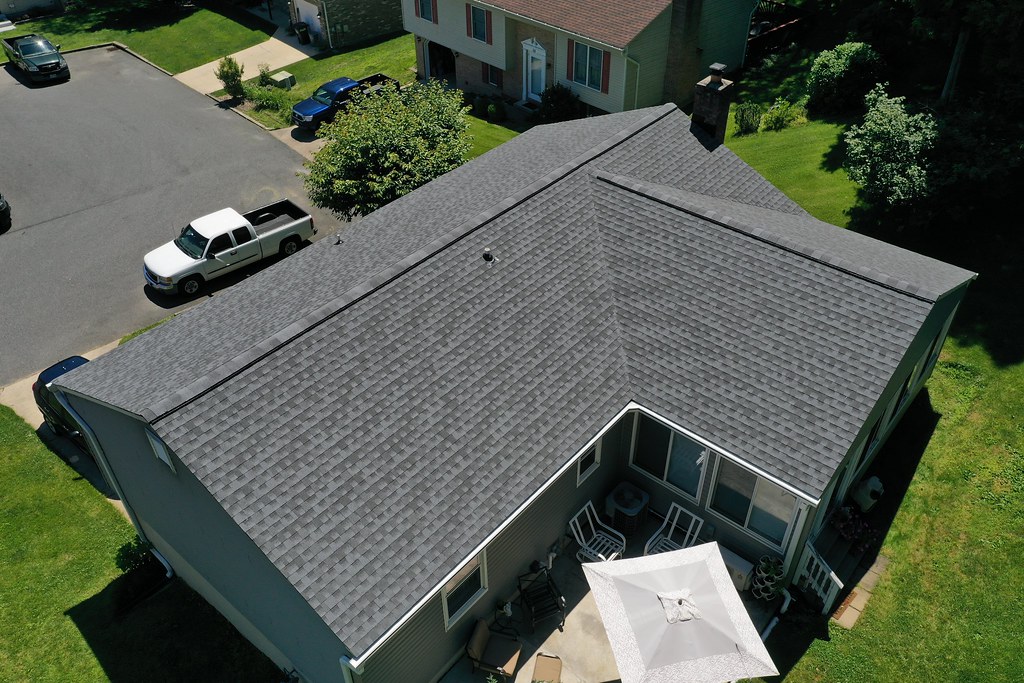
This Complete Guide to Residential Roofing in Aurora, IL: Materials, Maintenance, and Replacement Tips provides homeowners with everything they need to know about choosing roofing materials, maintaining a healthy roof, identifying warning signs of deterioration, and understanding when professional replacement is necessary. Whether you’re building a new home, repairing storm damage, or planning a full roof replacement, making informed decisions helps protect your property for years to come.
For homeowners in Aurora, Illinois, roofing systems must withstand a wide range of weather conditions throughout the year. From heavy snowfall and freezing temperatures during winter to thunderstorms, hail, and high winds in warmer months, selecting durable materials and working with experienced roofing professionals is essential for long-term performance.
Why Residential Roofing Is Essential
A residential roof does far more than cover a home. It functions as a complete protection system that shields the structure from weather while helping regulate indoor comfort and energy efficiency.
A quality roofing system helps:
- Protect against water intrusion
- Prevent structural damage
- Improve insulation performance
- Reduce energy loss
- Enhance curb appeal
- Increase property value
- Protect interior finishes
- Improve long-term home durability
Because the roof is continuously exposed to the elements, regular maintenance and timely repairs are crucial to preserving its performance.
Understanding Residential Roofing Systems
Many homeowners think of shingles when they picture a roof, but a complete roofing system consists of several interconnected components that work together to protect the home.
Roof Decking
Roof decking forms the structural foundation of the roofing system.
Typically constructed from plywood or oriented strand board (OSB), the decking supports all roofing materials installed above it.
Healthy roof decking should remain:
- Strong
- Dry
- Properly secured
- Free of rot
Water intrusion can weaken the decking over time, making prompt repairs important whenever leaks occur.
Underlayment
Roof underlayment serves as a secondary moisture barrier beneath the roofing material.
It helps protect the home if wind-driven rain or melting snow penetrates the outer roofing surface.
Modern underlayments may include:
- Synthetic materials
- Asphalt-saturated felt
- Ice and water barriers
In Illinois, ice and water shield membranes are especially valuable near roof edges, valleys, and penetrations where ice dams may develop during winter.
Flashing
Flashing consists of metal components installed around roof penetrations and transitions.
Common flashing locations include:
- Chimneys
- Skylights
- Roof valleys
- Plumbing vents
- Dormers
- Wall intersections
Proper flashing directs water away from vulnerable areas, preventing leaks and structural damage.
Shingles
Shingles form the visible exterior surface of most residential roofs.
Their primary purpose is to shed water while protecting underlying materials from sunlight, wind, and weather.
Shingles also contribute significantly to the home’s overall appearance.
Roof Ventilation
Ventilation is an essential but often overlooked part of a roofing system.
Proper airflow helps:
- Reduce attic heat
- Minimize moisture buildup
- Extend roof lifespan
- Improve energy efficiency
- Reduce ice dam formation
Balanced intake and exhaust ventilation help maintain consistent attic temperatures throughout the year.
The U.S. Department of Energy notes that proper attic ventilation and insulation work together to improve home energy efficiency, reduce cooling demands, and help prevent moisture-related issues within the roofing system.
Popular Roofing Materials in Illinois
Choosing the right roofing material depends on several factors, including budget, durability, architectural style, and long-term maintenance expectations.
Asphalt Shingles
Asphalt shingles remain the most common residential roofing material in Illinois.
Their popularity stems from their balance of affordability, durability, and design versatility.
Benefits
Advantages include:
- Cost-effective installation
- Wide color selection
- Multiple style options
- Good weather resistance
- Relatively simple repairs
Modern asphalt shingles are available in numerous profiles that complement traditional, contemporary, and craftsman-style homes.
With proper installation and routine maintenance, asphalt shingle roofs can provide reliable protection for many years.
Architectural Shingles
Architectural shingles represent an upgraded version of traditional asphalt shingles.
These heavier laminated shingles provide:
- Greater wind resistance
- Improved durability
- Enhanced dimensional appearance
- Longer expected lifespan
- Better curb appeal
Many homeowners choose architectural shingles when replacing older roofs because they combine performance with an attractive, textured look.
Metal Roofing
Metal roofing continues gaining popularity among homeowners seeking long-lasting performance.
Modern residential metal roofing is available in:
- Standing seam panels
- Metal shingles
- Stone-coated steel
- Aluminum systems
Benefits
Metal roofing offers:
- Exceptional durability
- Long service life
- Excellent wind resistance
- Fire resistance
- Energy efficiency
- Low maintenance requirements
Its reflective properties may also help reduce heat absorption during warmer months, improving indoor comfort.
Although the initial investment is often higher than asphalt shingles, the extended lifespan makes metal roofing an attractive long-term option.
Composite Roofing
Composite roofing products are manufactured from engineered materials designed to replicate the appearance of natural slate, cedar shakes, or other premium roofing materials.
Benefits include:
- Lightweight construction
- Attractive appearance
- Improved impact resistance
- Lower maintenance
- Design flexibility
Composite roofing provides homeowners with premium aesthetics while reducing some of the maintenance associated with natural materials.
Roof Lifespan Expectations
Every roofing material has an expected service life, although actual longevity depends on installation quality, weather exposure, maintenance, and ventilation.
Several factors influence roof lifespan:
- Material quality
- Professional installation
- Storm exposure
- Ventilation performance
- Maintenance frequency
- Tree coverage
- Ice accumulation
Routine inspections help identify developing issues before they shorten the roof’s useful life.
Signs Your Roof Needs Repair or Replacement
Small roofing problems often become expensive repairs if ignored.
Recognizing warning signs early helps homeowners address issues before structural damage occurs.
Missing or Damaged Shingles
Missing shingles expose the underlayment and roof decking to moisture.
Other signs include:
- Curling edges
- Cracked shingles
- Lifted tabs
- Broken pieces
Replacing damaged shingles promptly helps prevent water intrusion.
Water Leaks
Water stains inside the home often indicate roofing problems.
Common signs include:
- Ceiling discoloration
- Damp insulation
- Mold growth
- Peeling paint
- Dripping water
Leaks should always be investigated immediately to minimize structural damage.
Sagging Roof Areas
A sagging roof may indicate significant structural concerns.
Possible causes include:
- Water damage
- Rotted decking
- Structural deterioration
- Excessive moisture accumulation
Professional evaluation should be scheduled as soon as sagging becomes visible.
Granule Loss
Asphalt shingles naturally shed small amounts of protective granules over time.
However, excessive granule accumulation in gutters may indicate that shingles are reaching the end of their service life.
Granule loss reduces UV protection and accelerates deterioration.
Higher Energy Bills
An aging or damaged roof can affect insulation performance and ventilation.
Homeowners may notice:
- Increased heating costs
- Higher cooling expenses
- Uneven indoor temperatures
Roof improvements often contribute to improved overall energy efficiency.
Storm Damage and Roof Inspections
Aurora experiences weather events that can affect residential roofing, including hailstorms, strong winds, heavy rain, snow accumulation, and freeze-thaw cycles.
Following severe weather, homeowners should inspect for signs of:
- Missing shingles
- Dented flashing
- Lifted roofing materials
- Fallen branches
- Clogged gutters
- Water intrusion
Because some storm damage is difficult to identify from the ground, professional roof inspections provide a safer and more comprehensive assessment.
The National Roofing Contractors Association (NRCA) recommends regular roof inspections, especially after severe weather events, to identify damage early and reduce the likelihood of costly repairs.
Roof Maintenance Tips
Preventive maintenance extends the lifespan of residential roofing while reducing unexpected repair costs.
Recommended maintenance practices include:
- Inspect the roof at least twice each year.
- Remove leaves and debris from valleys.
- Keep gutters clean and flowing properly.
- Trim overhanging tree branches.
- Check attic ventilation periodically.
- Watch for interior water stains.
- Replace damaged shingles promptly.
- Schedule professional inspections after major storms.
Routine maintenance helps preserve both appearance and structural integrity.
When Roof Replacement Makes More Sense Than Repairs
While many roofing issues can be repaired, there are situations where complete replacement becomes the more practical solution.
Replacement may be appropriate when:
- Damage is widespread.
- Multiple leaks exist.
- Repairs become increasingly frequent.
- Roofing materials have reached the end of their expected lifespan.
- Storm damage affects large portions of the roof.
- Structural components require replacement.
A new roofing system often improves energy efficiency while providing updated warranty protection and enhanced curb appeal.
Why Professional Roofing Installation Matters
Roof installation is a highly specialized process requiring technical knowledge, safety training, and precise workmanship.
Professional roofing contractors ensure:
- Proper material installation
- Correct flashing placement
- Adequate ventilation
- Manufacturer specifications are followed
- Building code compliance
- Safe work practices
Improper installation can result in premature leaks, reduced lifespan, warranty issues, and costly repairs.
Many roofing manufacturers also require installation by qualified professionals to maintain warranty coverage.
Choosing the Right Roofing Contractor
Selecting an experienced roofing contractor is just as important as choosing quality materials.
Homeowners should look for contractors who provide:
- Detailed inspections
- Written estimates
- Quality workmanship
- Product knowledge
- Clear communication
- Warranty support
- Ongoing maintenance recommendations
Working with a reputable local contractor also ensures familiarity with Aurora’s weather conditions and local building requirements.
Why Work with Aurora Roofing And Siding Service
A successful roofing project requires careful planning, quality materials, and skilled installation. Partnering with a full-service exterior contractor simplifies the process while ensuring every component of the roofing system works together effectively.
Aurora Roofing And Siding Service provides comprehensive residential roofing solutions for homeowners throughout Aurora, IL. Their experienced team assists clients with:
- Residential roof inspections
- Roof repair services
- Complete roof replacement
- New roof installation
- Storm damage repair
- Preventive roof maintenance
- Material selection guidance
- Flashing and ventilation improvements
By combining professional craftsmanship with high-quality roofing materials, Aurora Roofing And Siding Service helps homeowners protect their investment while improving the safety, appearance, and long-term performance of their homes.
Final Thoughts
This Complete Guide to Residential Roofing in Aurora, IL: Materials, Maintenance, and Replacement Tips demonstrates that a reliable roofing system is one of the most important investments homeowners can make. Understanding how roofing components such as decking, underlayment, flashing, shingles, and ventilation work together allows homeowners to make informed decisions about maintenance, repairs, and replacement.
Whether choosing durable asphalt shingles, architectural shingles, metal roofing, or composite materials, regular inspections and preventive maintenance are essential for maximizing performance and longevity. Recognizing warning signs like missing shingles, water leaks, sagging areas, granule loss, and rising energy bills also allows problems to be addressed before they become more serious and expensive.