Metal Roofing in Aurora, IL: Benefits, Costs, Durability, and Installation Guide
Choosing the right roofing material is one of the most important decisions a homeowner can make. A roof must protect the home from harsh weather, improve energy efficiency, enhance curb appeal, and provide reliable performance for decades. While asphalt shingles remain a common choice for residential properties, metal roofing has grown significantly in popularity because of its exceptional durability, low maintenance requirements, and long-term value. Homeowners seeking affordable roofing and siding services often find that investing in a professionally installed metal roof provides lasting protection, lower maintenance costs, and excellent long-term value.
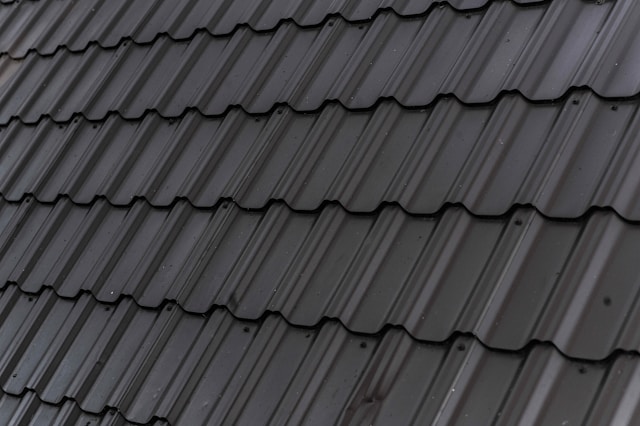
This Metal Roofing in Aurora, IL: Benefits, Costs, Durability, and Installation Guide explores why more homeowners are choosing metal roofing, the different types available, how metal compares to traditional roofing materials, and what factors to consider before investing in a new roof.
For homeowners in Aurora, Illinois, metal roofing offers several advantages. The region experiences heavy rain, snow, hail, strong winds, and significant seasonal temperature changes. A properly installed metal roof is designed to withstand these conditions while providing lasting protection and improved energy efficiency for many years.
Why Homeowners Choose Metal Roofing
Metal roofing has evolved far beyond the industrial appearance many people associate with older buildings. Modern residential metal roofing systems are available in numerous styles, colors, and finishes that complement traditional, contemporary, farmhouse, and craftsman-style homes.
Homeowners increasingly choose metal roofing because it provides:
- Exceptional durability
- Long service life
- Energy efficiency
- Weather resistance
- Fire resistance
- Low maintenance
- Sustainable construction
- Attractive curb appeal
Although the initial investment is generally higher than traditional asphalt shingles, many homeowners view metal roofing as a long-term investment that offers lasting value through reduced maintenance and replacement costs.
Understanding Modern Metal Roofing Systems
A residential metal roofing system consists of several components working together to protect the home.
These typically include:
- Roof decking
- Moisture-resistant underlayment
- Flashing around penetrations
- Ventilation components
- Metal panels or shingles
- Ridge caps
- Fastening systems
When professionally installed, these elements create a durable roofing system that effectively sheds water while resisting wind, snow, and UV exposure.
Proper ventilation also helps regulate attic temperatures and reduce moisture buildup, contributing to improved energy efficiency and extending the lifespan of the roof.
Benefits of Metal Roofing
Modern metal roofing offers numerous advantages that make it one of the most durable residential roofing options available.
Exceptional Lifespan
One of the greatest advantages of metal roofing is its longevity.
Depending on the material, installation quality, and maintenance, many metal roofs can last 40 to 70 years or more.
This lifespan often exceeds that of conventional roofing materials, reducing the likelihood of multiple roof replacements over the lifetime of a home.
Outstanding Weather Resistance
Aurora experiences a wide variety of weather conditions throughout the year.
Metal roofing performs exceptionally well against:
- Heavy rainfall
- Snow accumulation
- Ice
- High winds
- Hail
- Intense sunlight
- Freeze-thaw cycles
Properly installed systems are designed to shed snow efficiently, reducing excessive weight and helping minimize the formation of ice dams.
Fire Resistance
Metal roofing materials are naturally non-combustible.
Many systems achieve high fire-resistance ratings, providing an additional layer of protection for residential structures.
Although fire resistance depends on the complete roofing assembly, metal roofing offers significant advantages compared with combustible roofing materials.
Low Maintenance Requirements
Compared with many other roofing systems, metal roofs generally require relatively little maintenance.
Routine care typically involves:
- Removing leaves and debris
- Cleaning gutters
- Inspecting flashing
- Checking fasteners when applicable
- Scheduling periodic professional inspections
Unlike some roofing materials, metal does not crack, split, or support organic growth as easily under normal conditions.
Energy Efficiency
Reflective coatings available on many metal roofing products help reduce solar heat absorption.
Benefits include:
- Lower attic temperatures
- Improved indoor comfort
- Reduced cooling demands
- Increased overall energy efficiency
Many reflective roofing products also qualify under ENERGY STAR® performance standards, helping homeowners reduce energy consumption during warmer months.
Environmentally Friendly
Metal roofing is considered one of the more sustainable roofing options.
Many products contain recycled materials and can themselves be recycled at the end of their service life.
Because of their long lifespan, metal roofs also reduce construction waste generated by repeated roof replacements.
Types of Metal Roofing
Homeowners have several metal roofing options to choose from, each offering unique characteristics.
Standing Seam Metal Roofing
Standing seam roofing is widely regarded as one of the highest-quality residential metal roofing systems.
It features vertical panels joined by raised seams that conceal the fasteners beneath the surface.
Advantages include:
- Clean modern appearance
- Hidden fasteners
- Excellent weather resistance
- Reduced leak potential
- Exceptional durability
- Minimal maintenance
Standing seam roofs are popular for both contemporary homes and updated traditional designs.
Corrugated Metal Panels
Corrugated metal roofing features repeating ridges and grooves that increase structural strength.
Although commonly associated with agricultural buildings, modern residential applications have become increasingly popular.
Benefits include:
- Cost-effective installation
- Strong structural performance
- Lightweight construction
- Excellent drainage
New finishes and color options have expanded their residential appeal.
Steel Roofing
Steel remains one of the most widely used residential metal roofing materials.
Galvanized or Galvalume coatings help protect steel from corrosion while maintaining strength.
Advantages include:
- High durability
- Strong impact resistance
- Excellent structural performance
- Wide variety of profiles
- Competitive pricing
Steel roofing performs well in regions like Aurora where roofs experience varying seasonal weather conditions.
Aluminum Roofing
Aluminum offers another excellent option for residential roofing.
Benefits include:
- Natural corrosion resistance
- Lightweight construction
- Excellent longevity
- Minimal maintenance
Because aluminum does not rust, it performs especially well in environments exposed to moisture.
Although aluminum often costs more than steel, many homeowners appreciate its long-term durability.
Metal Roofing vs. Traditional Shingles
Homeowners frequently compare metal roofing with asphalt shingles before making a final decision.
Each material offers distinct advantages depending on priorities, budget, and long-term goals.
Initial Cost
Asphalt shingles generally have a lower upfront installation cost.
Metal roofing requires a larger initial investment due to both material and installation complexity.
However, evaluating lifetime ownership costs often provides a more complete picture.
Durability
Metal roofing typically offers superior durability.
It resists:
- Wind damage
- Fire
- UV degradation
- Cracking
- Shrinking
- Rot
Asphalt shingles remain highly reliable but generally require replacement sooner than quality metal systems.
Maintenance
Metal roofing typically requires less maintenance throughout its lifespan.
Asphalt shingles may require:
- Individual shingle replacement
- More frequent repairs
- Granule monitoring
- Earlier replacement
Routine inspections remain important regardless of roofing material.
Appearance
Modern metal roofing offers extensive design flexibility.
Available styles include:
- Standing seam
- Metal shingles
- Slate-inspired profiles
- Shake-inspired panels
This variety allows homeowners to achieve either traditional or contemporary aesthetics.
Energy Savings
Reflective coatings help many metal roofs reduce heat absorption.
During warmer weather, homeowners may experience:
- Lower cooling costs
- Improved indoor comfort
- Reduced attic temperatures
Although insulation and ventilation also influence energy efficiency, roofing materials play an important supporting role.
Is Metal Roofing Right for Your Aurora Home?
Every home has unique requirements.
Several factors should be considered before selecting a roofing system.
Local Climate
Aurora experiences:
- Heavy snowfall
- Spring rain
- Summer storms
- High winds
- Seasonal temperature fluctuations
Metal roofing performs particularly well under these conditions because it effectively sheds water and snow while resisting many forms of weather-related deterioration.
Architectural Style
Today’s metal roofing complements a wide variety of home styles.
Popular matches include:
- Farmhouse homes
- Craftsman designs
- Contemporary architecture
- Colonial homes
- Ranch-style houses
Color selection also allows homeowners to coordinate roofing with siding, trim, and exterior finishes.
Long-Term Investment
Homeowners planning to remain in their homes for many years often appreciate the extended lifespan offered by metal roofing.
Although initial costs are higher, reduced maintenance and fewer replacement cycles frequently offset those expenses over time.
Understanding Metal Roofing Costs
Several factors influence the total cost of a metal roofing project.
These include:
- Roof size
- Roof complexity
- Material selection
- Panel profile
- Existing roof removal
- Flashing requirements
- Ventilation improvements
- Labor
Because every roof is unique, obtaining a professional inspection and detailed estimate is the most accurate way to determine project costs.
Rather than focusing solely on initial installation expenses, homeowners should also consider long-term durability, maintenance savings, and energy performance when evaluating overall value.
Maintenance Tips for Metal Roofing
Although metal roofs require relatively little maintenance, regular inspections help maximize performance.
Recommended practices include:
- Inspect the roof after severe storms.
- Keep gutters clean.
- Remove accumulated debris.
- Check flashing periodically.
- Trim overhanging tree branches.
- Schedule professional roof inspections every few years.
These simple maintenance practices help preserve both appearance and structural integrity.
Why Professional Installation Matters
Metal roofing requires specialized installation techniques that differ significantly from asphalt shingles.
Professional roofing contractors ensure:
- Accurate measurements
- Proper panel alignment
- Secure fastening
- Correct flashing installation
- Proper ventilation
- Manufacturer installation requirements
- Building code compliance
Improper installation can lead to water infiltration, wind damage, thermal movement issues, and reduced warranty protection.
The Metal Roofing Alliance emphasizes that professional installation is essential for maximizing the lifespan and weather resistance of residential metal roofing systems.
Choosing the Right Metal Roofing Contractor
Selecting an experienced contractor is just as important as selecting quality materials.
Homeowners should look for roofing professionals who provide:
- Thorough roof inspections
- Detailed written estimates
- Product recommendations
- Quality craftsmanship
- Warranty information
- Clear communication
- Ongoing maintenance guidance
Experienced contractors also understand local building codes and weather conditions specific to Aurora and surrounding communities.
Why Work with Aurora Roofing And Siding Service
A successful metal roofing project depends on careful planning, quality materials, and expert installation.
Aurora Roofing And Siding Service provides professional metal roofing solutions tailored to the needs of homeowners throughout Aurora, IL. Their experienced team offers:
- Metal roof inspections
- Standing seam metal roof installation
- Steel roofing systems
- Aluminum roofing installation
- Roof replacement
- Storm damage assessments
- Preventive roof maintenance
- Expert material selection guidance
By combining skilled craftsmanship with durable roofing products, Aurora Roofing And Siding Service helps homeowners invest in roofing systems designed to deliver long-lasting performance, energy efficiency, and reliable protection against Illinois’ changing weather conditions.
Final Thoughts
This Metal Roofing in Aurora, IL: Benefits, Costs, Durability, and Installation Guide demonstrates why metal roofing has become one of the most trusted options for homeowners seeking long-term protection and value. With benefits such as a lifespan of 40 to 70 years, exceptional weather resistance, fire resistance, low maintenance, and improved energy efficiency, metal roofing offers a compelling alternative to traditional asphalt shingles.
Whether you choose standing seam panels, steel roofing, aluminum roofing, or another modern metal system, investing in quality materials and professional installation is essential to maximizing performance and longevity. Careful consideration of your home’s architectural style, Aurora’s climate, and your long-term goals will help determine whether metal roofing is the right choice for your property.