Complete Guide to Home Siding Installation in Aurora, IL: Materials, Benefits, and Maintenance
Your home’s exterior does more than create a positive first impression it serves as a protective barrier against rain, wind, snow, temperature fluctuations, and everyday wear. Among the most important exterior components is the siding, which shields the structure from moisture while contributing to insulation, energy efficiency, and curb appeal. As siding ages, it can become less effective, making timely replacement an important part of long-term home maintenance. Choosing a contractor that offers affordable roofing and siding services can help homeowners protect their property’s exterior while improving durability, energy efficiency, and long-term value without exceeding their budget.
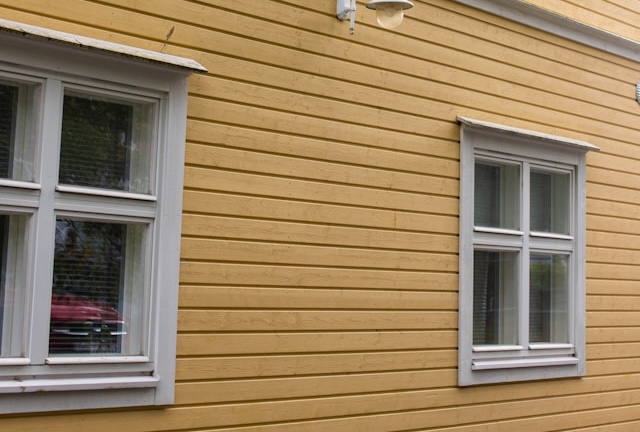
This Complete Guide to Home Siding Installation in Aurora, IL: Materials, Benefits, and Maintenance explores the advantages of new siding, compares today’s most popular siding materials, explains how Illinois weather affects exterior surfaces, and provides practical maintenance tips to help homeowners protect their investment.
For homeowners in Aurora, Illinois, siding must perform well in a climate that includes heavy rain, snow, humidity, strong winds, and seasonal temperature swings. Choosing durable materials and working with experienced installation professionals helps ensure lasting protection while enhancing the appearance and value of the home.
Why Siding Is an Essential Part of Your Home
Siding serves both functional and aesthetic purposes. While it defines much of a home’s exterior appearance, it also protects the underlying structure from weather-related damage.
A properly installed siding system helps:
- Protect against moisture intrusion
- Improve energy efficiency
- Reduce air infiltration
- Enhance curb appeal
- Increase property value
- Support structural longevity
- Minimize maintenance requirements
- Improve overall exterior durability
Because siding is constantly exposed to outdoor conditions, selecting quality materials and maintaining them properly are essential for long-term performance.
Understanding How a Siding System Works
Modern siding systems consist of several components that work together to protect the home.
These typically include:
- Exterior sheathing
- Moisture-resistant weather barrier
- Flashing around windows and doors
- Insulation (where applicable)
- Siding panels
- Trim and finishing accessories
Each component plays an important role in preventing water infiltration while allowing the wall system to manage moisture effectively.
Proper installation ensures these elements function together as a complete exterior protection system.
Benefits of New Siding Installation
Replacing aging siding provides numerous advantages that extend well beyond improving the appearance of a home.
Improved Curb Appeal
New siding dramatically transforms a home’s exterior.
Fresh siding creates:
- A cleaner appearance
- Updated architectural style
- Improved color consistency
- Better first impressions
- Enhanced neighborhood appeal
Whether homeowners plan to remain in their homes or prepare them for sale, updated siding contributes significantly to exterior aesthetics.
Better Insulation and Energy Efficiency
Modern siding systems often work alongside insulation and weather barriers to improve overall energy performance.
Benefits include:
- Reduced heat loss during winter
- Improved indoor comfort
- Lower heating and cooling demands
- Better temperature consistency
When combined with proper insulation and air sealing, quality siding contributes to a more energy-efficient home.
The U.S. Department of Energy notes that reducing air leaks and improving a home’s exterior envelope can help lower energy consumption while increasing year-round comfort.
Moisture Protection
One of siding’s primary responsibilities is protecting the structure from water.
Properly installed siding helps:
- Direct rainwater away from walls
- Reduce moisture penetration
- Protect framing
- Prevent rot
- Limit mold growth
Maintaining an effective moisture barrier is especially important in climates like Aurora, where precipitation occurs throughout the year.
Increased Property Value
Exterior renovations consistently rank among the most valuable home improvement projects.
New siding can improve:
- Buyer appeal
- Marketability
- Overall home appearance
- Long-term durability
- Exterior condition
Prospective buyers often view updated siding as an indication that the home has been well maintained.
Popular Siding Materials
Today’s homeowners have several siding options available, each offering unique advantages depending on budget, maintenance preferences, and design goals.
Vinyl Siding
Vinyl siding remains one of the most popular residential siding materials in North America.
Its combination of affordability, versatility, and low maintenance appeals to many homeowners.
Benefits of Vinyl Siding
Advantages include:
- Affordable installation
- Wide variety of colors
- Low maintenance
- Moisture resistance
- Insect resistance
- No painting required
Modern vinyl siding is available in numerous profiles that imitate traditional wood clapboard, shakes, and board-and-batten designs.
The Vinyl Siding Institute highlights vinyl siding as a durable, low-maintenance exterior cladding option that provides long-term weather protection while requiring minimal upkeep.
Fiber Cement Siding
Fiber cement siding has become increasingly popular among homeowners seeking exceptional durability.
Manufactured from cement, sand, and cellulose fibers, it offers impressive resistance to weather and wear.
Benefits include:
- Excellent durability
- Fire resistance
- Moisture resistance
- Pest resistance
- Long lifespan
- Attractive wood-like appearance
Many homeowners choose fiber cement because it combines traditional aesthetics with modern performance.
James Hardie® fiber cement products, for example, are specifically engineered to withstand challenging weather conditions while maintaining their appearance over time.
Engineered Wood Siding
Engineered wood siding offers the warmth and appearance of natural wood while incorporating modern manufacturing techniques that improve durability.
Advantages include:
- Authentic wood appearance
- Improved moisture resistance
- Reduced maintenance
- Lighter weight
- Easier installation
This material appeals to homeowners seeking traditional architectural character with improved performance.
Aluminum Siding
Although less common today than vinyl or fiber cement, aluminum siding continues to offer several benefits.
Advantages include:
- Rust resistance
- Lightweight construction
- Fire resistance
- Low maintenance
- Long service life
Aluminum performs particularly well in environments where moisture exposure is a concern.
How Weather Affects Exterior Siding
Aurora’s climate places considerable demands on exterior materials.
Understanding these challenges helps homeowners select siding designed for long-term performance.
Moisture Damage
Rain, melting snow, and humidity can affect siding over time.
Poorly maintained or improperly installed siding may allow moisture to penetrate behind the exterior surface, potentially leading to:
- Wood rot
- Mold growth
- Structural deterioration
- Interior water damage
Proper flashing and weather barriers significantly reduce these risks.
Expansion and Contraction
Seasonal temperature changes cause exterior materials to expand and contract.
Quality siding products are designed to accommodate this movement when installed correctly.
Professional installation helps prevent issues such as:
- Buckling
- Warping
- Loose panels
- Joint separation
Fading
Continuous UV exposure gradually affects exterior colors.
Modern siding products often incorporate fade-resistant finishes that help maintain consistent appearance for many years.
Choosing quality products contributes to better long-term color retention.
Cracking and Impact Damage
Extreme weather, hail, and accidental impacts may damage siding.
Although durable materials resist many forms of wear, periodic inspections help identify:
- Cracks
- Chips
- Loose panels
- Broken trim
- Storm-related damage
Prompt repairs help prevent moisture from entering the wall system.
Choosing Colors and Styles
Siding significantly influences the architectural character of a home.
Popular design trends include:
- Neutral gray tones
- Crisp white exteriors
- Warm beige finishes
- Deep blue accents
- Earth-tone palettes
- Mixed-texture combinations
Many homeowners also combine horizontal lap siding with decorative shakes or vertical panels to add visual interest.
Selecting colors that complement roofing, trim, doors, and windows creates a cohesive exterior appearance.
Siding Maintenance Tips
Even low-maintenance siding benefits from regular care.
Routine maintenance helps maximize both appearance and lifespan.
Recommended practices include:
- Wash siding annually using mild cleaners.
- Inspect after severe storms.
- Clean gutters regularly.
- Trim vegetation away from walls.
- Check caulking around windows and doors.
- Repair damaged panels promptly.
- Inspect flashing periodically.
Preventive maintenance helps identify minor concerns before they develop into costly repairs.
Signs Your Siding Needs Replacement
Although many siding problems can be repaired, some situations indicate replacement may be the better long-term solution.
Common warning signs include:
- Warped panels
- Cracked siding
- Rotting materials
- Persistent mold
- Loose sections
- Frequent repainting
- Interior moisture problems
- Rising energy bills
A professional inspection helps determine whether repairs or replacement offer the greatest value.
Choosing the Right Siding Contractor
Installing siding requires careful planning and precise workmanship.
An experienced contractor ensures the siding system functions properly while maintaining manufacturer warranty requirements.
When selecting a siding contractor, homeowners should consider:
Experience
Look for contractors with experience installing multiple siding materials and working with homes similar to yours.
Proper Installation Methods
Correct installation includes:
- Accurate measurements
- Proper fastening
- Moisture barrier installation
- Flashing integration
- Expansion spacing
- Trim detailing
These details greatly influence long-term performance.
Warranty Protection
Quality contractors provide information regarding:
- Manufacturer warranties
- Installation warranties
- Material performance
Understanding warranty coverage provides additional peace of mind.
Local Knowledge
Contractors familiar with Aurora understand the area’s weather patterns, building codes, and common exterior challenges.
This local experience contributes to more effective recommendations and installations.
The National Association of Home Builders (NAHB) also emphasizes the importance of using qualified professionals and quality building materials to improve durability, energy performance, and long-term home value.
Why Professional Installation Matters
Even premium siding materials can underperform if installed incorrectly.
Professional installation helps ensure:
- Proper moisture management
- Correct ventilation where required
- Secure attachment
- Straight panel alignment
- Effective flashing integration
- Long-term durability
Improper installation may lead to water infiltration, premature deterioration, and unnecessary repair costs.
Complete Exterior Protection
Siding works most effectively when integrated with other exterior systems.
For complete home protection, siding should complement:
- Residential roofing
- Roof repair
- Gutters
- Fascia
- Soffits
- Exterior trim
Maintaining all exterior components together creates a stronger defense against weather while improving the home’s appearance and efficiency.
Why Choose Aurora Roofing And Siding Service
A siding project involves more than simply replacing exterior panels it requires careful coordination to ensure every component contributes to lasting protection and visual appeal.
Aurora Roofing And Siding Service provides comprehensive siding installation and exterior renovation services for homeowners throughout Aurora, IL. Their experienced team offers:
- Professional siding inspections
- Vinyl siding installation
- Fiber cement siding installation
- Engineered wood siding solutions
- Exterior renovation planning
- Moisture protection improvements
- Trim and flashing installation
- Complete exterior protection systems
Because roofing and siding work together to protect a home, Aurora Roofing And Siding Service delivers integrated solutions that enhance durability, improve energy efficiency, and create a cohesive exterior designed to withstand Illinois weather.
Final Thoughts
This Complete Guide to Home Siding Installation in Aurora, IL: Materials, Benefits, and Maintenance demonstrates that quality siding is far more than an aesthetic upgrade. It serves as a critical component of your home’s exterior protection system by defending against moisture, improving insulation, increasing curb appeal, and supporting long-term structural integrity.
Whether you choose low-maintenance vinyl siding, highly durable fiber cement, engineered wood, or aluminum, selecting the right material and ensuring professional installation are key to maximizing performance. Regular inspections and preventive maintenance further help protect your investment while preserving your home’s appearance and energy efficiency.