Roof Repair in Aurora, IL: Common Problems, Warning Signs, and Professional Solutions
Your roof is constantly exposed to the elements, making it one of the most vulnerable parts of your home or commercial building. Over time, severe weather, aging materials, and everyday wear can cause damage that compromises your property’s protection. Addressing roofing issues early through professional repairs helps prevent water intrusion, structural deterioration, and costly replacements. Choosing a trusted contractor that provides affordable roofing and siding services allows property owners to address repairs promptly while protecting both their investment and their budget.
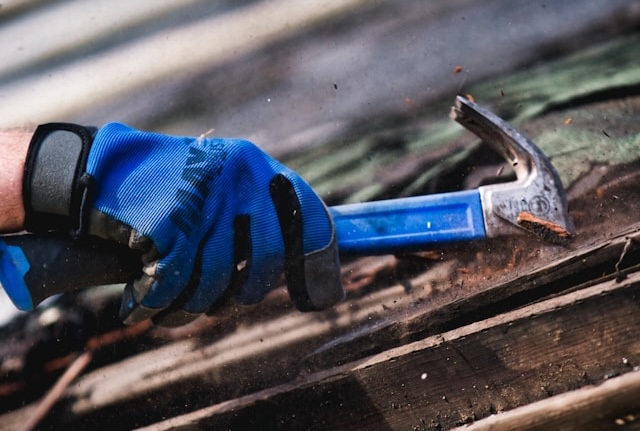
This Roof Repair in Aurora, IL: Common Problems, Warning Signs, and Professional Solutions guide explains the most common causes of roof damage, the warning signs homeowners should never ignore, and the benefits of timely professional repairs. Whether your roof has suffered storm damage, developed a leak, or simply shows signs of age, understanding when and how to act can extend the life of your roofing system and protect your investment.
For property owners in Aurora, Illinois, routine roof maintenance and prompt repairs are especially important. The region experiences heavy rainfall, snow accumulation, hail, strong winds, and seasonal temperature fluctuations, all of which place significant stress on residential and commercial roofing systems.
Why Roof Repair Is Important
Every roofing system eventually experiences wear. Small issues such as a loose shingle or damaged flashing may seem insignificant, but they can quickly develop into major structural problems if left untreated.
Professional roof repair helps:
- Extend roof lifespan
- Prevent water damage
- Preserve structural integrity
- Improve energy efficiency
- Maintain curb appeal
- Protect interior finishes
- Reduce long-term repair costs
- Delay full roof replacement
Timely repairs not only protect the roof itself but also safeguard insulation, ceilings, walls, flooring, and personal belongings inside the building.
Understanding How Roof Damage Develops
Roof damage rarely occurs overnight. In many cases, deterioration begins with small problems that gradually worsen due to repeated exposure to weather and changing temperatures.
A roofing system includes several components working together, including:
- Roof decking
- Underlayment
- Flashing
- Shingles or roofing panels
- Ventilation
- Gutters
When one component fails, surrounding materials often become vulnerable as well.
Routine inspections help identify developing issues before they spread throughout the roofing system.
Common Causes of Roof Damage in Illinois
Aurora’s climate presents numerous challenges for residential and commercial roofs.
Understanding these conditions helps homeowners recognize why routine inspections and maintenance are so important.
Severe Storms
Thunderstorms frequently bring:
- Heavy rain
- Strong wind
- Hail
- Flying debris
These weather events can loosen shingles, damage flashing, puncture roofing materials, and create openings that allow water to enter the home.
Storm damage is not always immediately visible from the ground, making professional inspections valuable after severe weather.
Heavy Snowfall
Illinois winters often produce significant snow accumulation.
Heavy snow can:
- Increase roof loads
- Contribute to ice dams
- Trap moisture
- Accelerate deterioration
As snow melts and refreezes, expanding ice can force water beneath roofing materials if the roof is not properly protected.
Wind Damage
High winds affect roofing systems in several ways.
Wind may:
- Lift shingles
- Break seal strips
- Remove flashing
- Damage ridge caps
- Blow debris onto the roof
Even moderate wind damage can expose underlying materials to moisture if repairs are delayed.
Temperature Changes
Aurora experiences significant seasonal temperature fluctuations.
Repeated expansion and contraction can gradually affect:
- Roofing materials
- Sealants
- Flashing
- Fasteners
Over time, these natural movements contribute to material fatigue and aging.
Aging Roofing Materials
Even well-maintained roofs eventually reach the end of their useful lifespan.
As materials age, homeowners may notice:
- Brittle shingles
- Granule loss
- Cracking
- Curling
- Fading
- Increased vulnerability to leaks
Regular inspections help determine whether repairs remain practical or replacement becomes the better long-term solution.
Common Roof Problems
Several roofing issues account for the majority of repair calls.
Understanding these problems allows homeowners to act quickly when warning signs appear.
Roof Leaks
Leaks remain one of the most common roofing concerns.
Common causes include:
- Damaged shingles
- Worn flashing
- Ice dams
- Improper installation
- Aging materials
Although a leak may appear as a small ceiling stain, the actual entry point on the roof may be located elsewhere.
Professional diagnosis helps identify the true source of water intrusion.
Damaged Flashing
Flashing protects vulnerable roof areas surrounding:
- Chimneys
- Skylights
- Roof valleys
- Plumbing vents
- Dormers
When flashing becomes loose, rusted, or improperly sealed, water can penetrate the roofing system.
Replacing damaged flashing often prevents much larger repairs later.
Broken or Missing Shingles
Missing shingles expose the roof’s protective layers to direct weather exposure.
Other warning signs include:
- Curling edges
- Cracked shingles
- Torn shingles
- Lifted tabs
Replacing damaged shingles promptly helps preserve the integrity of the surrounding roof.
Ice and Snow Damage
Winter weather creates unique roofing challenges.
Ice dams develop when melting snow refreezes near roof edges, preventing proper drainage.
This trapped water may eventually penetrate beneath shingles and damage:
- Roof decking
- Insulation
- Ceilings
- Interior walls
Proper ventilation and insulation help reduce the likelihood of ice dam formation.
Gutter-Related Roof Damage
Clogged or damaged gutters prevent proper water drainage.
Overflowing water may:
- Saturate fascia boards
- Damage roof edges
- Contribute to leaks
- Increase ice formation
Routine gutter maintenance plays an important role in protecting the roofing system.
Signs You Need Roof Repair
Many roofing problems develop gradually.
Recognizing early warning signs helps prevent more extensive damage.
Ceiling Stains
Water stains on ceilings often indicate roof leaks.
Signs include:
- Brown discoloration
- Bubbling paint
- Peeling drywall
- Damp insulation
Even small stains warrant professional evaluation.
Missing Shingles
Shingles displaced by storms should never be ignored.
Missing roofing materials leave the roof vulnerable to:
- Moisture intrusion
- UV exposure
- Wind damage
Prompt repairs help prevent widespread deterioration.
Mold or Mildew Growth
Persistent roof leaks may create conditions favorable for mold growth.
Warning signs include:
- Musty odors
- Visible mold
- Dark ceiling stains
- Damp attic insulation
Addressing moisture quickly protects both the structure and indoor air quality.
Damaged Gutters
Roof problems sometimes become visible through gutter performance.
Look for:
- Sagging gutters
- Granule accumulation
- Overflowing water
- Detached sections
These issues often indicate underlying roofing concerns.
Visible Roof Deterioration
Ground-level observations may reveal:
- Curling shingles
- Bald spots
- Sagging rooflines
- Broken flashing
- Debris accumulation
Visible deterioration should be professionally inspected before conditions worsen.
Roof Repair vs. Roof Replacement
One of the most common questions homeowners ask is whether repair or replacement is the better option.
The answer depends on the condition of the roofing system.
When Repairs Make Sense
Roof repair is often appropriate when:
- Damage is localized.
- Storm damage affects only a small area.
- The roof remains relatively young.
- Structural components remain sound.
- Leaks are limited.
Timely repairs can restore protection while extending the roof’s service life.
When Replacement Is the Better Choice
Complete replacement may be recommended when:
- Damage is widespread.
- Multiple leaks exist.
- Roofing materials have reached the end of their lifespan.
- Repairs become increasingly frequent.
- Structural deterioration is present.
Although replacement represents a larger investment, it often provides greater long-term value for aging roofs.
A professional inspection helps determine the most cost-effective solution.
Importance of Professional Roof Inspections
Many roofing problems remain hidden until significant damage occurs.
Professional roof inspections provide valuable insight into the overall condition of the roofing system.
Benefits include:
- Early problem detection
- Accurate diagnosis
- Repair recommendations
- Documentation of storm damage
- Improved maintenance planning
- Longer roof lifespan
The National Roofing Contractors Association (NRCA) recommends periodic inspections and evaluations following severe weather to identify developing problems before they become major repairs.
Emergency Roofing Services
Certain roofing situations require immediate professional attention.
Examples include:
- Active roof leaks
- Storm damage
- Fallen trees
- Wind-blown roofing materials
- Structural collapse concerns
Emergency repairs help stabilize the roof while preventing additional water intrusion until permanent repairs can be completed.
Prompt action also helps reduce damage to insulation, drywall, flooring, and personal belongings.
Storm Damage Restoration
Aurora homeowners frequently experience severe weather capable of damaging roofing systems.
Following major storms, property owners should:
- Inspect the property from ground level.
- Look for fallen debris.
- Check ceilings for water stains.
- Examine gutters.
- Schedule a professional inspection.
The Federal Emergency Management Agency (FEMA) encourages homeowners to inspect properties after severe storms and document visible damage before beginning repairs or filing insurance claims.
Preventing Future Roof Damage
Preventive maintenance remains the most effective way to reduce expensive repairs.
Recommended practices include:
- Schedule roof inspections twice annually.
- Inspect after major storms.
- Keep gutters clean.
- Remove debris from roof valleys.
- Trim overhanging branches.
- Monitor attic ventilation.
- Address minor repairs promptly.
Routine maintenance significantly improves long-term roofing performance.
Insurance Considerations
Roof damage caused by storms may be covered under many homeowners insurance policies, depending on the cause and extent of the damage.
Keeping maintenance records, inspection reports, and photographs can simplify the claims process if severe weather affects your property.
The Insurance Information Institute recommends documenting damage carefully and contacting qualified roofing professionals to assess the condition before making repair decisions.
Why Professional Roof Repair Matters
Roof repair requires specialized knowledge, proper safety procedures, and an understanding of how roofing systems function.
Professional roofing contractors provide:
- Accurate inspections
- Safe repair methods
- Proper material matching
- Code-compliant repairs
- Long-term solutions
- Manufacturer-recommended installation techniques
Attempting major roof repairs without professional experience can increase safety risks and may lead to more extensive damage if underlying issues are overlooked.
Why Choose Aurora Roofing And Siding Service
When roof problems arise, working with an experienced local contractor provides peace of mind and dependable results.
Aurora Roofing And Siding Service offers comprehensive roof repair solutions for both residential and commercial properties throughout Aurora, IL. Their experienced team provides:
- Roof inspections
- Leak repair
- Shingle replacement
- Storm damage restoration
- Emergency roofing services
- Flashing repair
- Preventive roof maintenance
- Complete roof replacement when necessary
By combining quality materials with skilled workmanship, Aurora Roofing And Siding Service helps property owners protect their homes and businesses while extending the lifespan of their roofing systems.
Final Thoughts
This Roof Repair in Aurora, IL: Common Problems, Warning Signs, and Professional Solutions guide demonstrates that timely roof repairs are essential for protecting your home from water damage, structural deterioration, and unnecessary expenses. Recognizing warning signs such as ceiling stains, missing shingles, damaged flashing, mold growth, sagging roof areas, and clogged gutters allows homeowners to address problems before they become major structural concerns.
Whether damage results from severe storms, heavy snowfall, aging materials, or everyday wear, professional inspections and prompt repairs help maximize the lifespan of your roofing system while preserving your property’s value. Understanding when repairs are appropriate—and when replacement offers the better long-term solution—ensures homeowners can make informed decisions that balance safety, performance, and cost.